




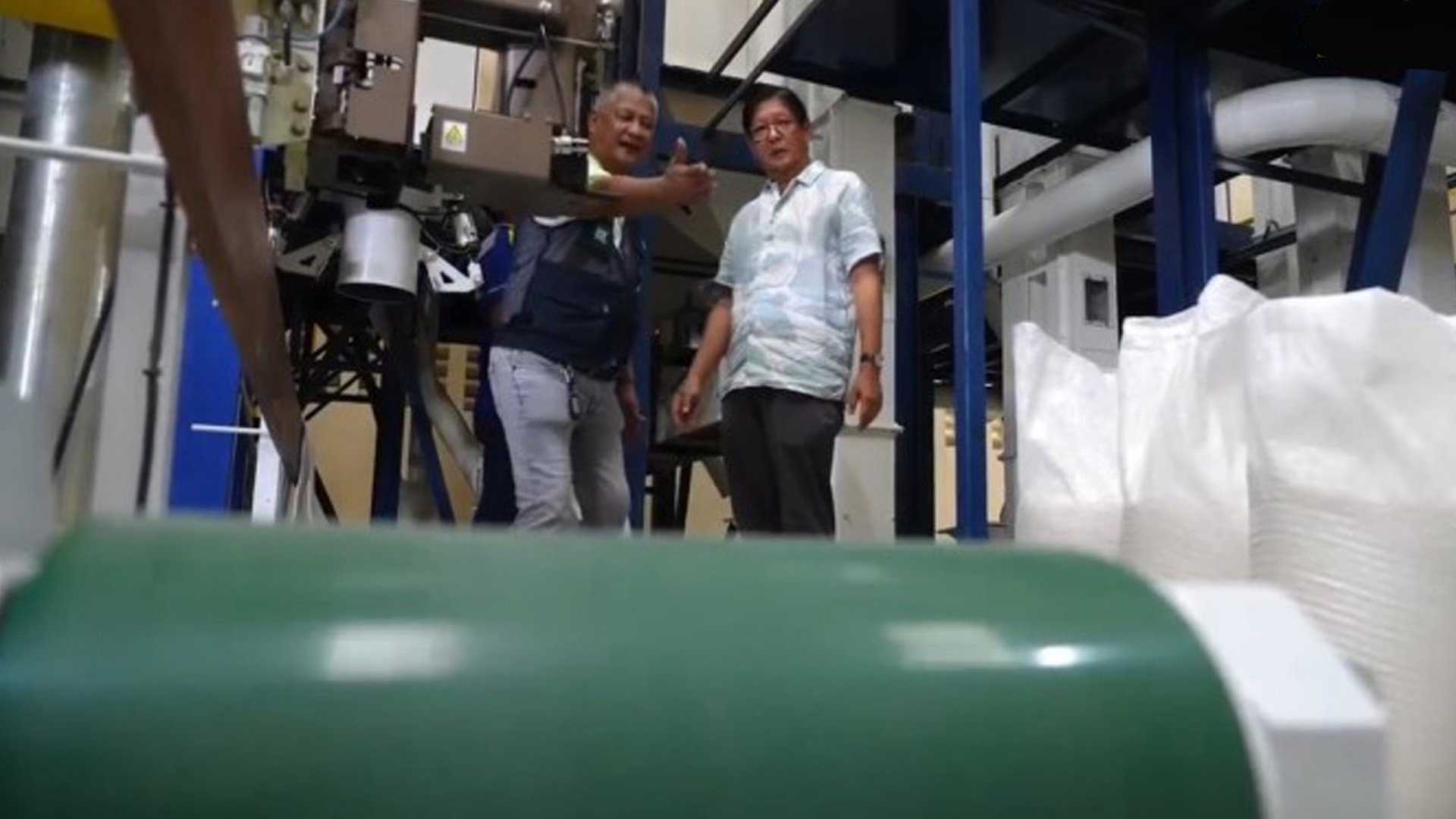







The government is ramping up efforts to modernize the agriculture sector as it targets to complete 145 Rice Processing Systems (RPS) nationwide before the end of the year, the Department of Agriculture (DA) announced Thursday.
The RPS project is implemented under the Rice Competitiveness Enhancement Fund (RCEF) Mechanization Program through the Philippine Center for Postharvest Development and Mechanization (PhilMech).
Agriculture Secretary Francisco Tiu Laurel Jr. described the initiative as one of the Marcos administration’s “legacy investments,” a milestone achievement aimed at helping farmers become more competitive.
“This is a legacy investment – one that finally gives our farmers the tools to compete and thrive,” Laurel said in a statement.
He explained that the RPS is expected to address the “chronic lack of drying and milling facilities” to help reduce post-harvest losses suffered by local rice farmers.
Due to post-harvest losses, the agriculture sector loses up to 16 percent of the country’s potential palay (unhusked rice) yield.
Through the RPS, the DA aims to increase the rice drying capacity to a 35 percent to 40 percent range during the wet harvest season before the Marcos administration ends in 2028.
To date, the Marcos administration has established 118 RPS units, while the remaining 27 RPS are targeted to be delivered, installed, and commissioned in December.
In addition to the RPS rollout, the government plans to deploy 300 more drying systems in the next three years, backed by PHP3.3 billion in funding to expand post-harvest infrastructure nationwide. (PNA)