




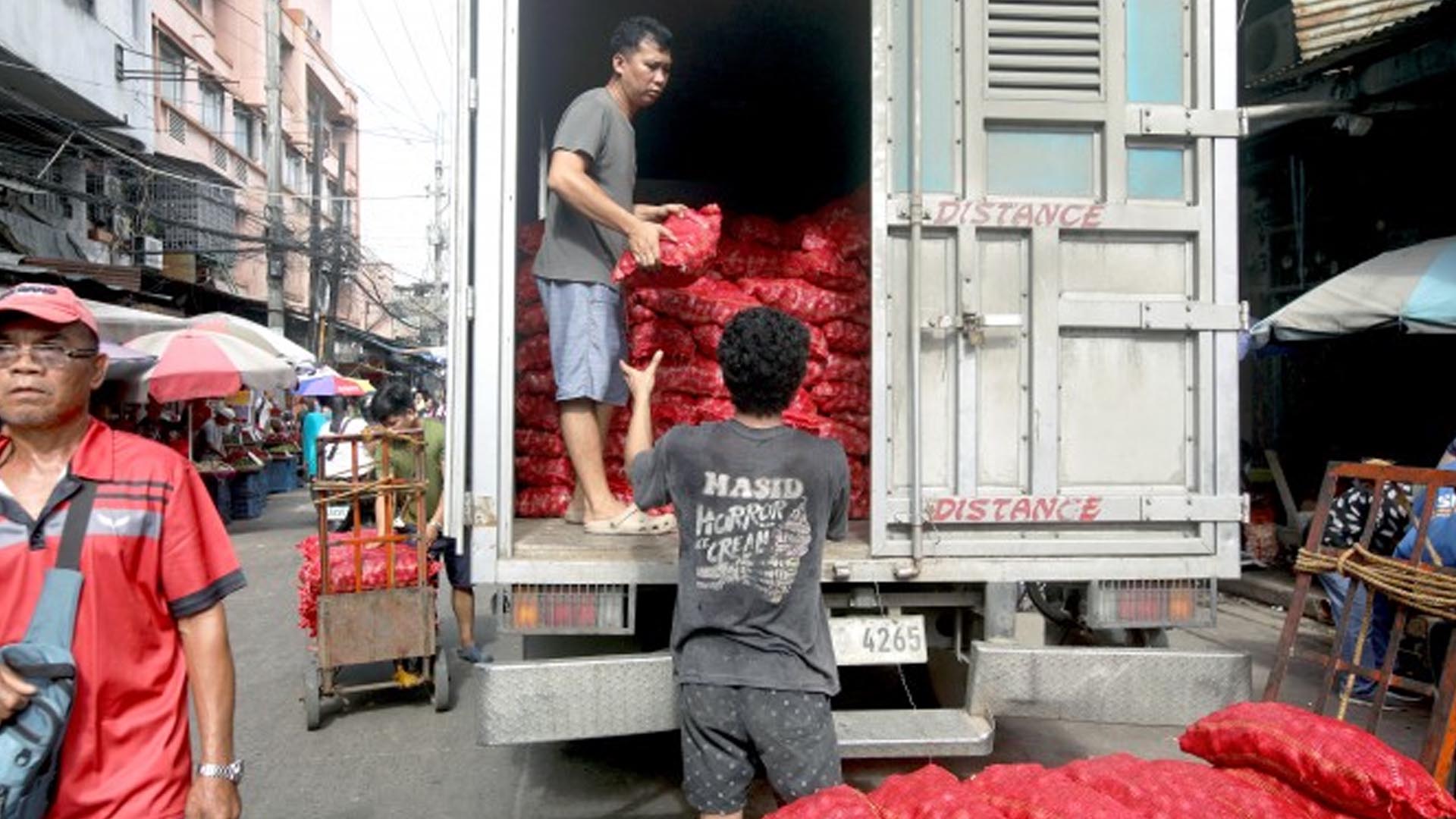







President Ferdinand R. Marcos Jr. on Monday called on local government units (LGUs) to stop imposing “pass-through fees” on vehicles transporting agricultural products and essential goods, warning that such charges drive up food prices amid global economic pressures.
In a video message outlining the government’s measures to cushion the impact of the ongoing conflict in the Middle East, Marcos said some localities continue to collect fees from trucks carrying rice and other commodities.
“Nananawagan ako sa ating mga local government units na siguruhin na wala nang pass-through fees na sisingilin. Nakarating sa akin na may ilan pang barangay na naniningil nito sa bawat sako ng palay at sasakyan (I call on our local government units to ensure that no more pass-through fees are being charged. It has reached my office that there are several other barangays that are charging this fee for every sack of rice and vehicles),” he said.
“Sana matigil na po ninyo ito dahil ang epekto lamang nila ay pinapagmahal ang presyo ng ating mga bilihin (I hope you can stop this because the only effect they have is to increase the price of our goods),” the President added.
Marcos said the government is implementing several measures to ease the burden on consumers and transport sectors affected by rising global oil prices.
These include fuel subsidies for public utility vehicle (PUV) drivers and operators, who are set to receive PHP5,000 cash starting Tuesday in Metro Manila. A similar program will also be rolled out in other regions soon, the President said.
Farmers and fisherfolk are also set to receive fuel subsidies.
The Civil Aviation Authority of the Philippines (CAAP) will also reduce aviation-related charges to help airlines manage operating costs.
The President also ordered government agencies to review regulatory requirements that could add costs to businesses and consumers.
“Sa lahat ng ahensya ng pamahalaan, repasuhin ang mga patakaran ukol sa lisensya, permit, clearance, certification. Tingnan ninyo kung alin dito ang puwedeng suspendihin o ‘di kaya’y babaan ang mga singil upang makagaan sa mga iniintindi ng taumbayan (In all government agencies, review the policies regarding licenses, permits, clearances, certifications. See which of these can be suspended or the fees can be reduced to ease the burden on the people),” he said.
To help commuters cope with rising transport costs, Marcos also encouraged the public to take advantage of the Love Bus program, which provides free rides in Metro Manila, Metro Cebu, and Metro Davao.
The President emphasized the need for collective action as the country navigates the economic effects of global tensions.
“Kailangan natin ang pagtutulungan ng bawat isa. Walang iwanan. Walang maiiwan sa pagharap natin sa gulong ito (We need everyone’s cooperation. Leave no one behind. No one will be left behind as we face this crisis),” he said.
Oil markets have been volatile in recent weeks due to escalating tensions in the Middle East, particularly concerns over possible disruptions in key energy supply routes, such as the Strait of Hormuz, one of the world’s most critical oil shipping lanes. (PNA)