




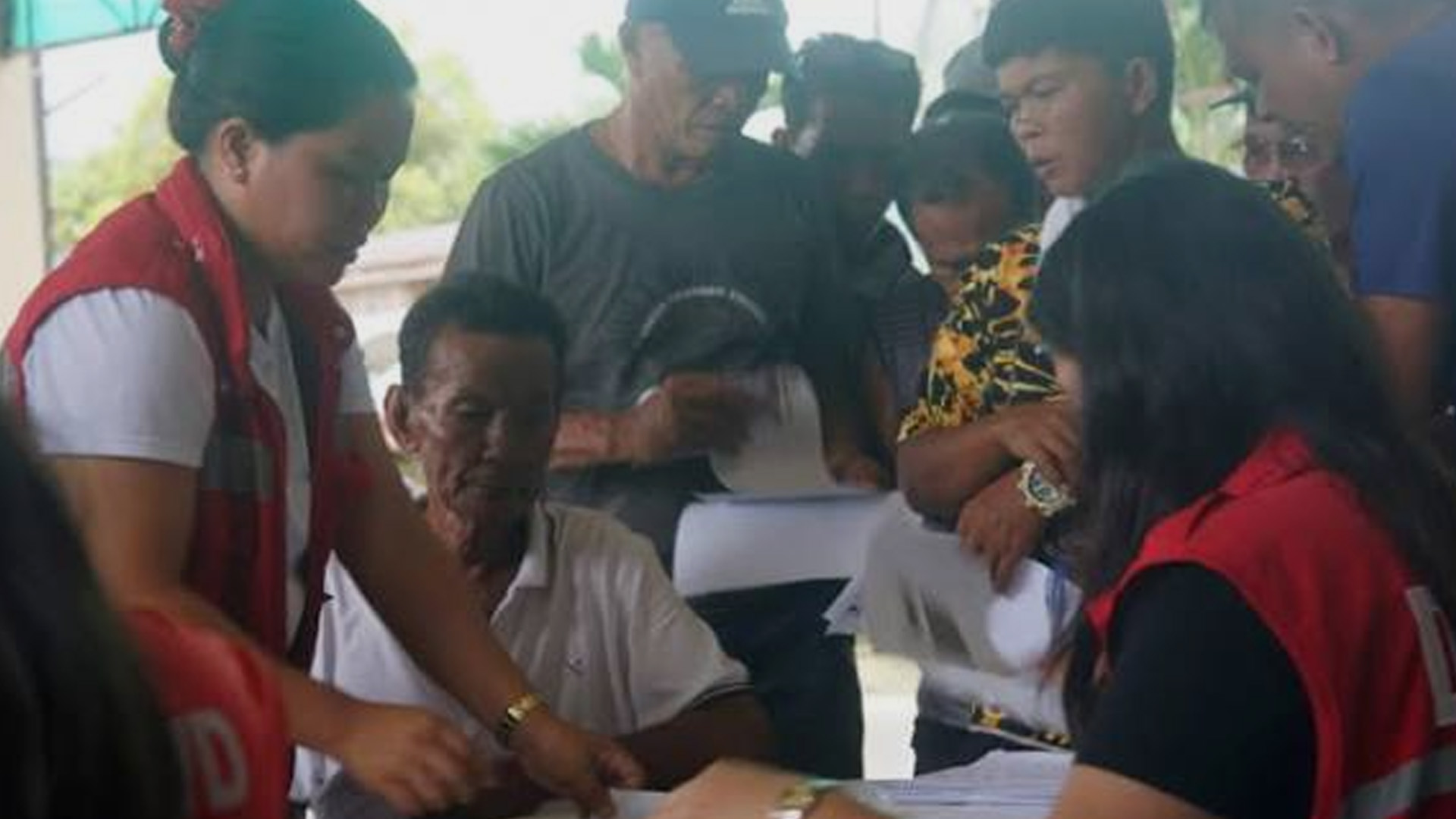







More than 282,000 partner-beneficiaries were empowered through the Department of Social Welfare and Development’s (DSWD) Project Local Adaptation to Water Access (LAWA) and Breaking Insufficiency through Nutritious Harvest for the Impoverished (BINHI) from 2023 to 2025, a department official said Thursday.
DSWD spokesperson Irene Dumlao, who also serves as assistant secretary of the Disaster Response Management Group, said the 282,710 partner-beneficiaries organized 2,197 groups that implemented various LAWA and BINHI projects in 6,529 barangays across the country.
“Alinsunod sa kautusan ni Pangulong Ferdinand Marcos Jr., na palakasin ang kakayahan ng mga Pilipino pagdating sa food security, water sufficiency, at paglaban sa epekto ng climate change, matagumpay pong naipatupad ang Project LAWA at BINHI sa 728 na munisipalidad sa loob ng 72 provinces ng bansa (In accordance with the directives of President Ferdinand Marcos Jr. to strengthen the capability of Filipinos when it comes to food security, water sufficiency and fight against the effects of climate change, Project LAWA and BINHI were successfully implemented),” Dumlao said in a statement.
Since 2023, Dumlao said thousands of Filipinos have participated in the programs and continued to benefit from their implementation.
She added that the total value of fresh produce and seafood harvested by partner-beneficiaries has exceeded PHP1 billion, with around PHP313 million generated through Project LAWA and PHP704 million through Project BINHI.
Under Project LAWA, the DSWD constructed 3,614 small farm reservoirs with a combined water storage capacity of 28.14 million cubic meters.
The reservoirs supported sustainable aquaculture, producing 2.092 million kilograms of tilapia and milkfish (bangus). The program also established 1,329 community irrigation systems to support local farming activities.
“Through these small farm reservoirs and irrigations, hindi lang tayo nagbibigay ng solusyon sa kakulangan sa tubig (we are giving not only solution to water shortage); we are actually teaching them how to maximize the rain as a valuable resource para hindi nasasayang yung tubig na pwede nilang magamit sa araw-araw (to avoid wastage of water that they can use daily),” Dumlao said.
Project BINHI, meanwhile, focuses on strengthening localized agriculture through the establishment of communal gardens.
The program established 6,440 communal gardens nationwide, where partner-beneficiaries cultivated a combined 19.095 million square meters of land and harvested more than 35 million kilograms of vegetables.
“Ang gusto talaga nating mangyari with Project LAWA at BINHI (What we really want to achieve with Proj. LAWA at BINHI) is to equip more Filipinos with the right agricultural skills. We have such rich soil here in the Philippines, at kailangan natin itong i-maximize para walang pamilyang nagugutom (we need it maximized so that no family will get hungry),” Dumlao said.
Beyond agricultural production and infrastructure development, the programs also provide cash-for-training and cash-for-work opportunities.
The DSWD said the approach provides immediate financial assistance to impoverished families while supporting the national government’s disaster preparedness and climate resilience efforts by equipping communities with proactive adaptation strategies.
Project LAWA and BINHI is the DSWD’s flagship risk resiliency program aimed at helping vulnerable communities address water scarcity and food insecurity while promoting long-term resilience and poverty alleviation. (PNA)