











Youth leaders from across the region are close to completing a new declaration that is expected to facilitate stronger digital resilience programs in the Philippines and the wider Southeast Asia.
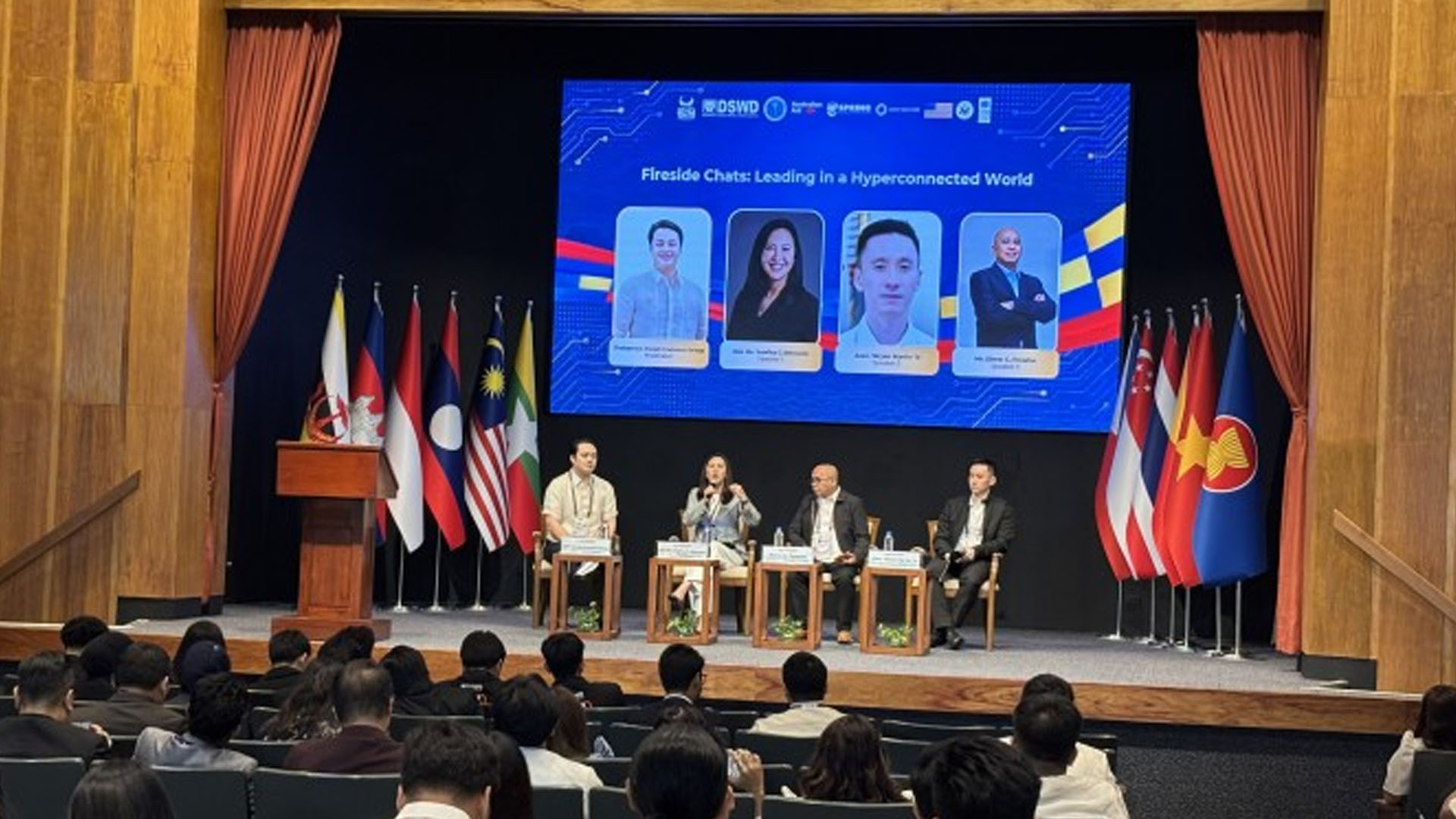
The Philippines opened on Thursday the last session day of the Association of Southeast Asian Nations (ASEAN) Youth Summit 2026, where at least 300 delegates are gathered to craft the final ASEAN Declaration on Youth Digital Resilience.
“Ang maganda dito pagka-dineclare siya and it’s ASEAN-wide, mas maraming basehan yung mga bansa na mag-allocate doon sa mga initiatives na ‘yon (What’s good here is once it’s declared and it’s ASEAN-wide, countries would have an additional basis to help allocate more in digital resiliency programs),” National Youth Commission Chairperson Jeff Ortega told the Philippine News Agency on Thursday.
Despite the rise of technology, Ortega said public programs often lack digital resilience-related training or components.
“Ang plano natin gawin is to make sure that when we pass that ay ma-incorporate sa laws, may necessary na budget na mailalagay doon (What we plan is to make sure it would be incorporated in our laws so that there would be necessary budget for it),” he added.
Ortega said the summit also aims to empower the region’s youth sector by providing them valuable insights on digital literacy, digital governance, and ways to safeguard their online well-being.
“Hopefully this summit will give us a bigger view as to how other countries are doing it as well,” he said.
Among the panelists on Day 2 are Quezon City Mayor Joy Belmonte, Department of Information and Communications Technology (DICT) Assistant Secretary Wryan Te, and Department of Science and Technology (DOST) Assistant Scientist Elmer Peramo.
Belmonte said government support and stronger investment in education are key to raising an educated digital citizenry that includes youth who are empowered enough to turn their ideas into solutions.
“Young people must be equipped to use the digital space to advance the best interest of their sector and their nations,” she said.
“Young people do not lack energy nor enthusiasm, but too many of them have not yet discovered or do not utilize the collective power they can wield in the digital space for positive change,” she added.
The ASEAN Youth Summit, running from Aug. 5 to 6, is led by the Department of Social Welfare and Development (DSWD) in partnership with the NYC, the United Nations Development Programme (UNDP) and the Australian government’s Department of Foreign Affairs and Trade (DFAT).
Its goal of promoting an enabling environment for young people to participate and strengthen their competencies forms part of the DSWD’s priorities as head of the ASEAN Socio-Cultural Community (ASCC) in 2026.
Youth in security
At a separate video conference on Aug. 5, the Ad Hoc ASEAN Defence Senior Officials’ Meeting (ADSOM)-Plus Working Group discussed ways to increase youth participation in regional security.
In a statement Thursday, the Department of National Defense said the meeting advanced key initiatives and priority deliverables ahead of the ministerial meetings.
“(The) Working Group discussed priority matters supporting ASEAN-led defense cooperation, including initiatives that promote the role of youth in peace and security, as well as updates on the future co-chairship of the ADMM-Plus Experts’ Working Groups (EWGs),” it added.
The meeting was held in preparation for the upcoming ASEAN Defence Ministers’ Meeting-Plus (ADMM-Plus).
The Philippines serves as chair of ASEAN for 2026 and is currently hosting more than 600 ASEAN-related meetings, from political and socio-cultural to economic.
Anchored on the Philippine Chairship theme, “Navigating Our Future, Together,” the DND said the Ad Hoc ADSOM-Plus Working Group reaffirmed the shared commitment of ASEAN Member States and their Dialogue Partners to advancing practical defense cooperation, strengthening regional peace and security, and fostering sustained dialogue and collaboration in addressing emerging and evolving security challenges. (PNA)