


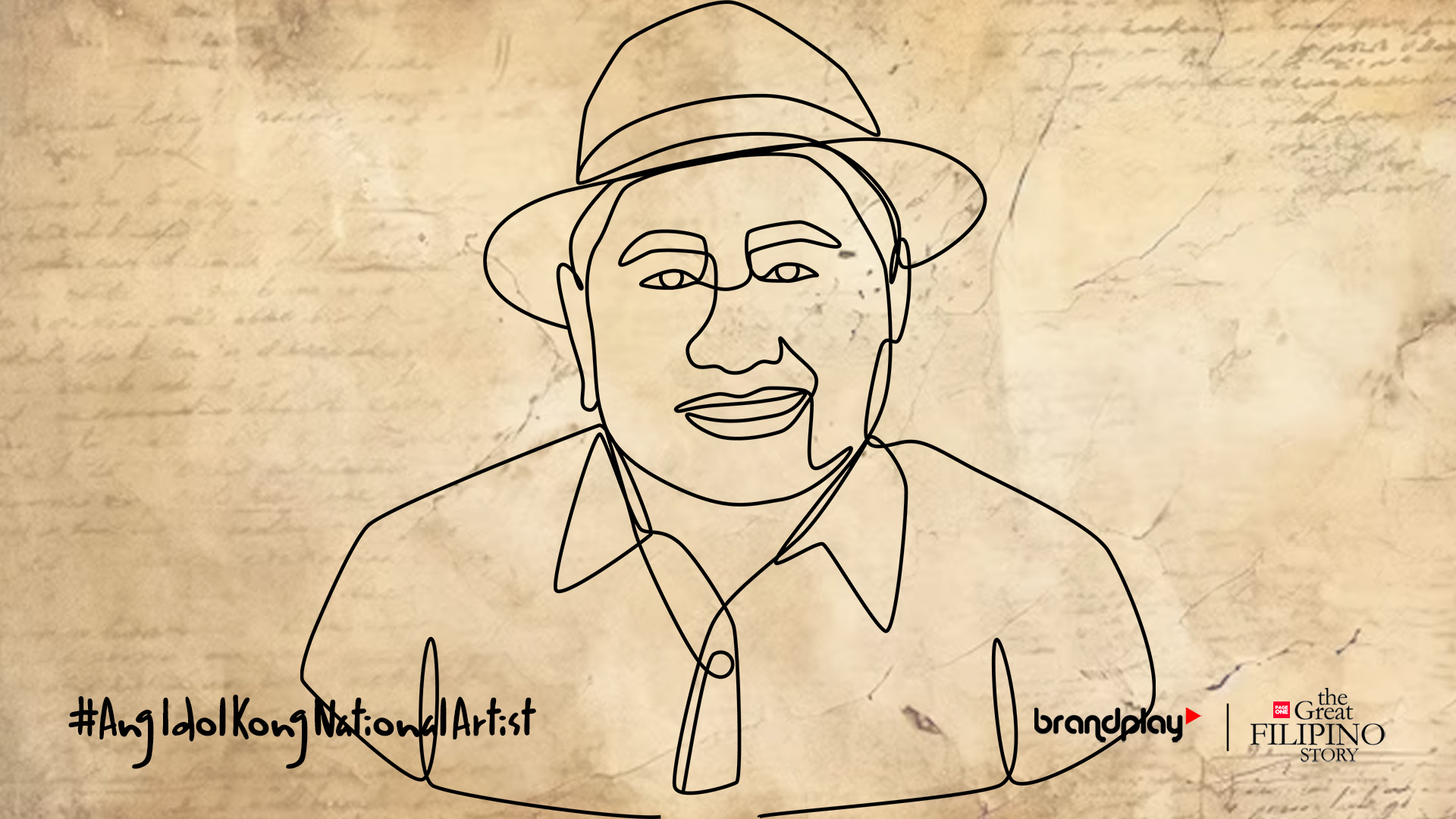







Virgilio Almario, also recognized by his pen name Rio Alma, is a celebrated poet, essayist, and literary critic, regarded as a pivotal figure in contemporary Philippine literature. His work is deeply rooted in a profound commitment to promoting the Filipino language and culture, which he views as essential to the nation’s identity. Almario’s poetry and essays are not just artistic expressions; they are reflections of the collective consciousness of a country navigating the complexities of modernization, globalization, and cultural preservation.
Born on March 2, 1946, in San Miguel, Bulacan, Virgilio S. Almario was immersed in the rich cultural tapestry of the Philippines from a young age. Almario embarked on his literary journey at the tender age of five. His passion for reading was ignited by a neighbor’s impressive collection of literature, including the well-known magazine “Liwayway.” This early access to books allowed him to learn to read ahead of his mother’s expectations. His early experiences with Filipino folklore and literature inspired him to pursue writing, leading him to study at the University of the Philippines, where he later became a prominent voice in the literary community. In the early 1960s, while studying for his master’s degree at the University of the East, Almario began to write poetry, marking the beginning of his creative expression.
Almario’s literary career took off in the 1970s, during a time of significant political and social upheaval in the Philippines. He became known for his poignant poetry that often reflected the struggles of the Filipino people. His first collection, “Buwan ng Wika” (Language Month), showcased his innovative use of the Filipino language and won him acclaim. Throughout the years, his body of work expanded to include essays, translations, and critiques, further solidifying his status as a literary giant.
Almario’s writing is marked by its lyrical beauty and profound connection to Filipino identity. He skillfully combines traditional forms with modernist techniques, often integrating historical and cultural themes into his work. His influential book, “Paano Maging Makabayan” (How to Be Nationalistic), underscores his dedication to championing the Filipino language and literature.
As a literary scholar, Almario has been instrumental in advancing Filipino studies. His essays and critiques provide valuable insights into both classic and contemporary works, inspiring new generations of writers to delve into their cultural heritage. He is celebrated for revitalizing and modernizing traditional Philippine poetry forms, with his poems addressing a wide range of themes and styles, from personal introspection to social critique. Through his ten books of critiques and collections, such as “Ang Makata sa Panahon ng Makina,” “Balagtasismo versus Modernismo,” “Walong Dekada ng Makabagong Tula Pilipino,” “Mutyang Dilim,” and “Barlaan at Josaphat,” he has reshaped the perception of Filipino poetry and fostered important discussions about its evolution.
Virgilio Almario has received numerous awards and recognitions throughout his illustrious career, highlighting his significant contributions to Philippine literature. He was honored as a National Artist for Literature in 2003, a prestigious title that acknowledges his impact on the literary landscape. Almario has also received multiple Palanca Awards, which are among the most esteemed literary honors in the Philippines, recognizing his excellence in poetry and essays.
In addition to these accolades, he has been celebrated by various literary organizations and institutions for his advocacy of the Filipino language and his efforts to promote Philippine literature. His work has been instrumental in inspiring new generations of writers and preserving cultural heritage, further solidifying his status as a key figure in contemporary Philippine arts and letters. Almario’s influence continues to resonate, and his contributions are widely recognized both nationally and internationally.
As the head of the Filipino Language Commission, Virgilio Almario plays a crucial role in fostering a love for Filipino literature among students. He has translated José Rizal’s iconic novels, “Noli Me Tangere” and “El Filibusterismo,” and authored a children’s story titled “Ibong Adarna.” Beyond his literary achievements, Almario’s writings serve as a powerful force against societal falsehoods, hypocrisy, and injustice, establishing Filipino writers as vital social critics and advocates for truth.
Almario’s impact goes far beyond his literary contributions; he passionately champions the promotion of the Filipino language in education and literature. His tireless efforts to elevate Filipino literature have inspired countless writers and readers to embrace their cultural heritage. As a luminary in Philippine literature, Almario’s legacy is one of passion, advocacy, and artistic excellence. His unwavering commitment to the Filipino language and culture has enriched the literary landscape, ensuring that the voices of the Filipino people resonate across generations. Almario’s work remains a guiding light for those eager to explore and celebrate the rich complexities of Filipino identity.