



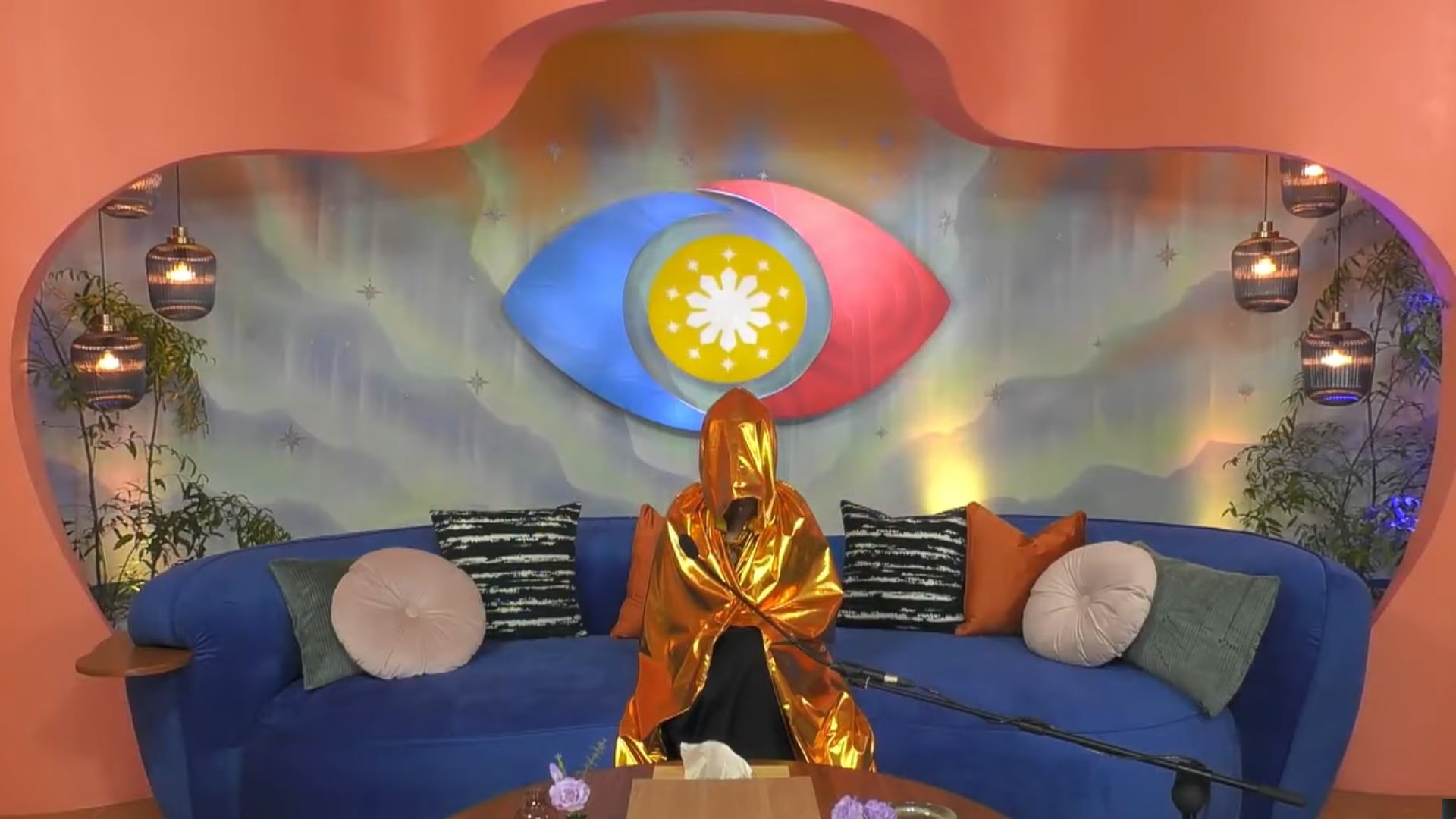







For 20 years, Pinoy Big Brother (PBB) has been a staple of Filipino entertainment. What started as a reality show about strangers living under one roof has evolved into a nationwide social media phenomenon. PBB is no longer just about housemates competing for a title—at some point, it became about how the audience sees themselves in them.
The Emotional Investment of Gen Z and Millennials
In the age of interactive Gen Zs and reflective Millennials, one question arises: why do they care so much about PBB? Unlike earlier seasons, where television dictated the narrative, today’s digital-savvy audience has taken control. Social media allows fans to analyze every move, form alliances, and even attempt to influence the game’s direction. The emotional investment isn’t just about entertainment—it’s about identity.
The selected housemates represent different backgrounds, values, and struggles—from an ordinary Juan or Juana from the provinces to a well-known celebrity. When a contestant is seen as “genuine,” “brave,” or “oppressed,” fans rally behind them. If one is perceived as “toxic” or “problematic,” they face instant cancellation.
This high-stakes emotional engagement transforms PBB from a reality show into a battle of values, where viewers ultimately resonate with the housemate they support.
Voting and Nominations: A Reflection of Real Life
PBB’s nomination and eviction process mirrors real-life decision-making. Choosing whom to vote for is like deciding who deserves recognition in society. When housemates form alliances or betray friendships, fans weigh in as if these events mirror their own lives.
The drama inside the house reflects the drama outside of it—loyalty, betrayal, and justice.
Moreover, the voting system empowers both the audience and the housemates to determine a contestant’s fate, making them feel like stakeholders in the show. When a beloved housemate gets evicted, social media erupts in protest, much like how people react to real-world injustices.
The Social Media Battleground
PBB’s real-time format makes it a perfect fit for digital discourse. The moment a housemate says something controversial or shows vulnerability, social media floods with reactions. Edits, memes, and video compilations spread like wildfire, shaping how a contestant is perceived.
Platforms like X (formerly Twitter), TikTok, and Facebook amplify the show’s reach, allowing discussions to escalate quickly. Fans campaign for their favorites through hashtags, comments, and even personal posts expressing their thoughts and opinions.
The show thrives on this engagement, proving that its biggest moments don’t just happen inside the house—they happen online.
More than Just a Show
PBB has evolved from a reality program into a cultural conversation. It serves as a mirror of Filipino society, reflecting how people judge character, fight for fairness, and engage in public and digital discourse.
In an era where entertainment is interactive, PBB proves that reality TV is no longer just about what happens on screen—it’s about how the audience reacts, responds, and reshapes the narrative.
As long as Filipinos remain vocal and opinionated about social justice, fairness, and community, PBB will continue to be more than just a show—it will remain a social media spectacle where everyone plays a role.