











The National Irrigation Administration in the Cordillera Administrative Region (NIA-CAR) has reminded farmers to observe crop programming to reduce the impact of the dry season.
“We plan when to plant and what to plant during the dry season, so that we don’t feel the effect of the dry season when there is a scarcity of irrigation water,” Engr. Liza Jane Chakilis, NIA-CAR Operations and Maintenance Division chief, said in a media interview Monday.
She said strict adherence to planting schedules is necessary, especially for rice, which requires large amounts of water, as lack of water can affect plant growth and grain development.
“Right now, our rice plants are already in the vegetative and reproductive stage, so when we reach April, we have already harvested our rice produce,” she said.
April usually marks the peak of the dry season, when rivers and other irrigation sources may dry up.
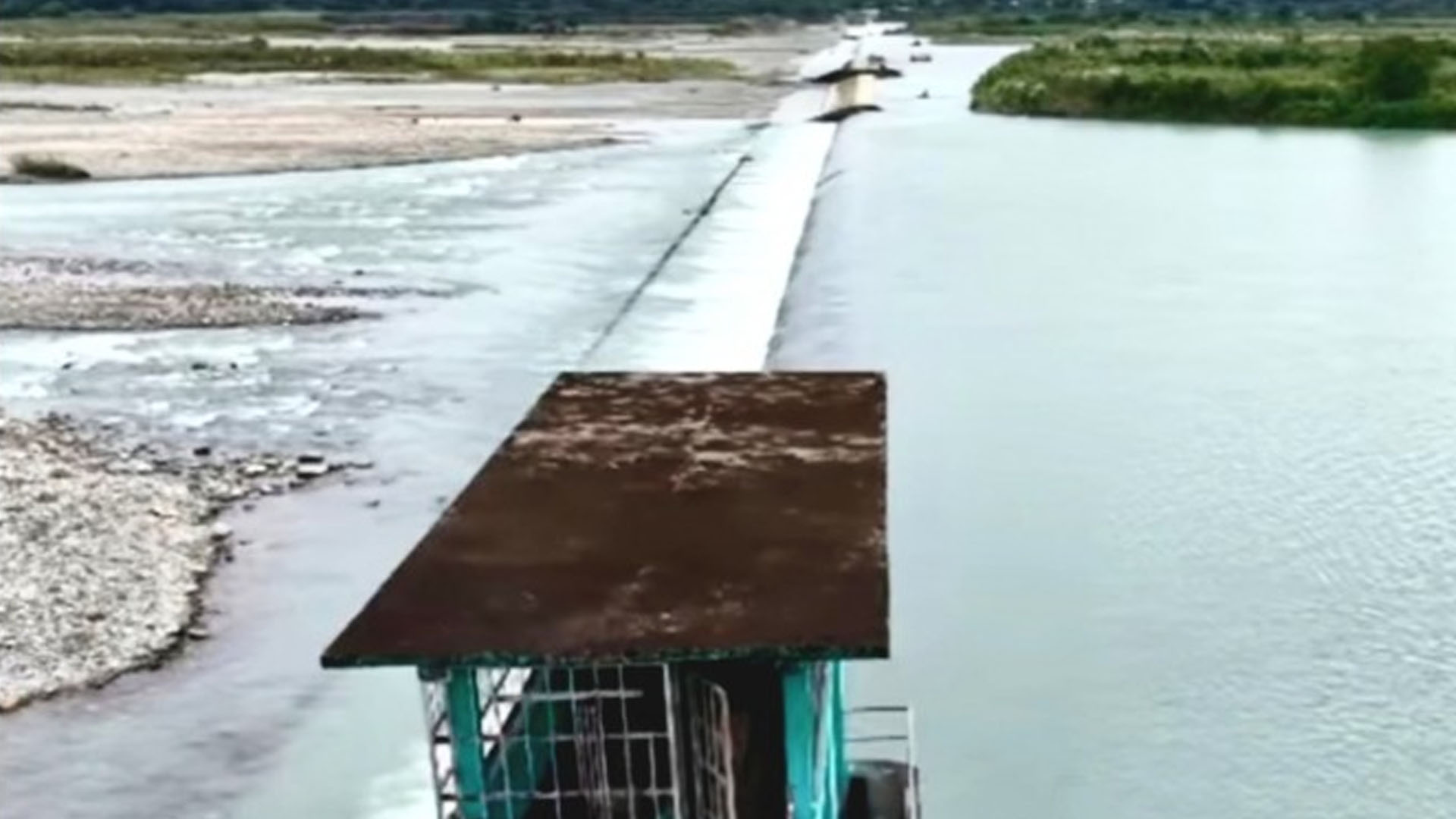
Chakilis said NIA is monitoring the major rivers that serve as irrigation sources in the region — Chico River, which runs from Mountain Province to Kalinga and drains into Isabela; the Abulug River in Apayao; and the Ibulao River in Ifugao.
She said water discharge from the Chico River has dropped by about 50 percent.
The Chico River supplies irrigation to communal systems in Pinukpuk and Tabuk City in Kalinga, as well as parts of Quezon, Isabela.
Water discharge at the Abulug River remains sufficient, while level at the Ibulao River is also declining.
Chakilis said the cropping calendar was prepared by farmers with the assistance of NIA, the Department of Agriculture (DA), local government units, and other stakeholders.
After the harvest in April or May, planting will resume in June when water supply from rivers and other sources becomes sufficient again.
She said since 2024, NIA has been allocating funds for solar irrigation projects in several Cordillera provinces, particularly in rice-producing areas, to provide alternative water sources.
These projects are supplemented by initiatives from the DA.
“Those who have these even plant for the third crop,” she said.
Most solar water pumps, however, are limited to 15 horsepower and can supply water to about 10 to 15 hectares of rice farms.
Chakilis said there are still many irrigable and potential areas in the region that need funding to boost agricultural production.
“We have to be cooperative, even the limited water resources during the dry season can be sufficient if we all work together by observing the cropping calendar and inform or remind fellow farmers about this. We also need to help protect the watershed that will also protect us in terms of resources,” she said. (PNA)