











The City Veterinarian’s Office (CVO) here reminded consumers to check the meat inspection certificate of the most in-demand holiday dish — lechon (roasted pig) — before buying.
In a press briefing on Thursday, CVO officer-in-charge Maria Corazon Sepulveda said lechon vendors are also warned not to roast pigs in their backyards as they must undergo inspection at accredited slaughterhouses.
CVO conducts regular monitoring and surveillance in the city’s public markets to ensure that animals are not illegally slaughtered. Those who can’t present certificates will have their meat confiscated, she added.
Apart from lechon, Sepulveda said the certificate must also be visible in stalls selling fresh and frozen tuna, another holiday favorite. “Majority of our fish and meat vendors have undergone fish and meat handling seminar,” Sepulveda assured.
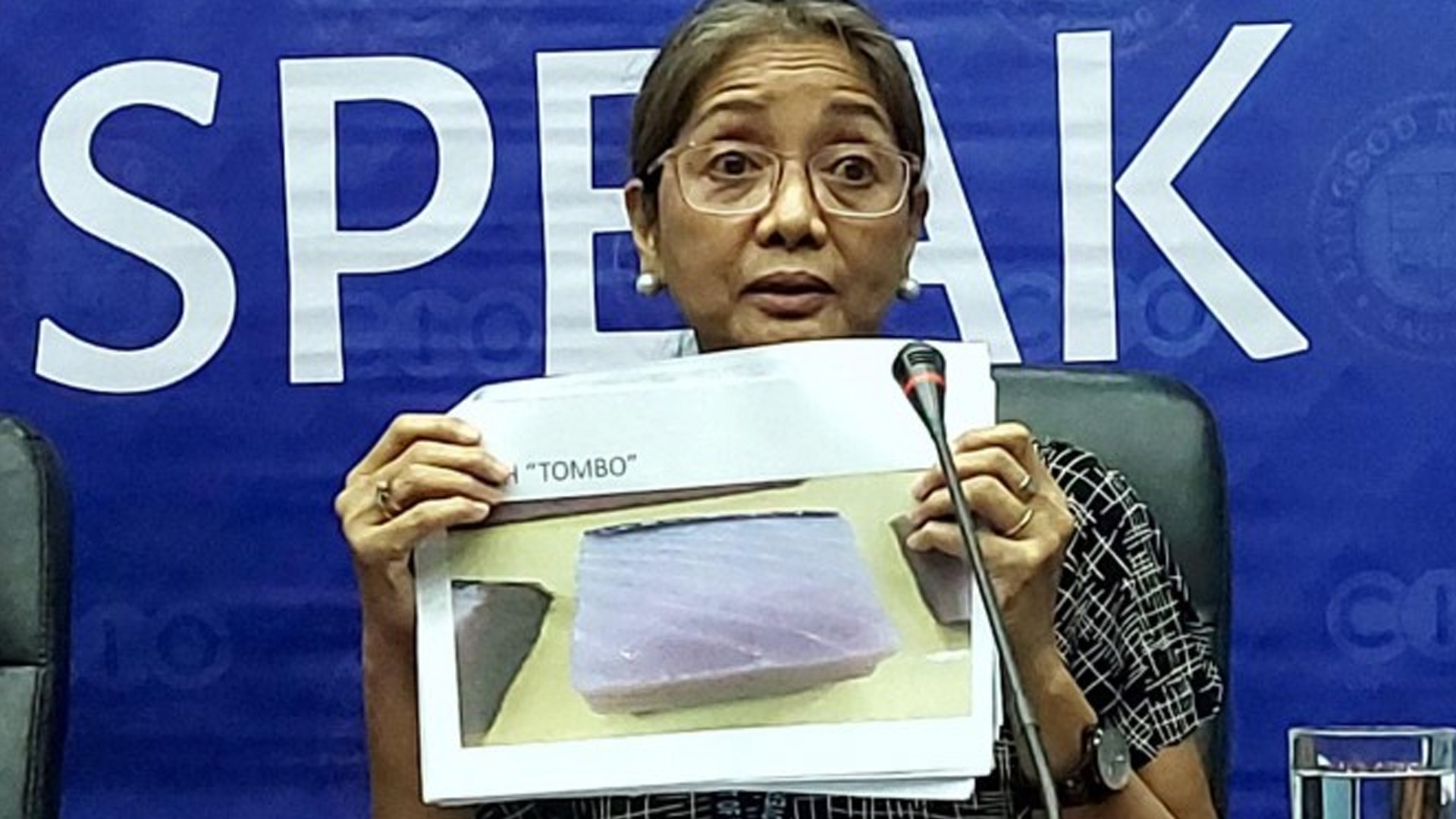
She also clarified that the color of the tuna, which is usually pale, does not indicate freshness.
“We have a mindset that if it is not red or pink, it is not fresh. It’s not the basis because we have to know the age, where it was captured and the diet of the tuna for us to identify its freshness,” she added.
Sepulveda said the flesh is darker if the tuna feeds on krill and shrimp. (PNA)