





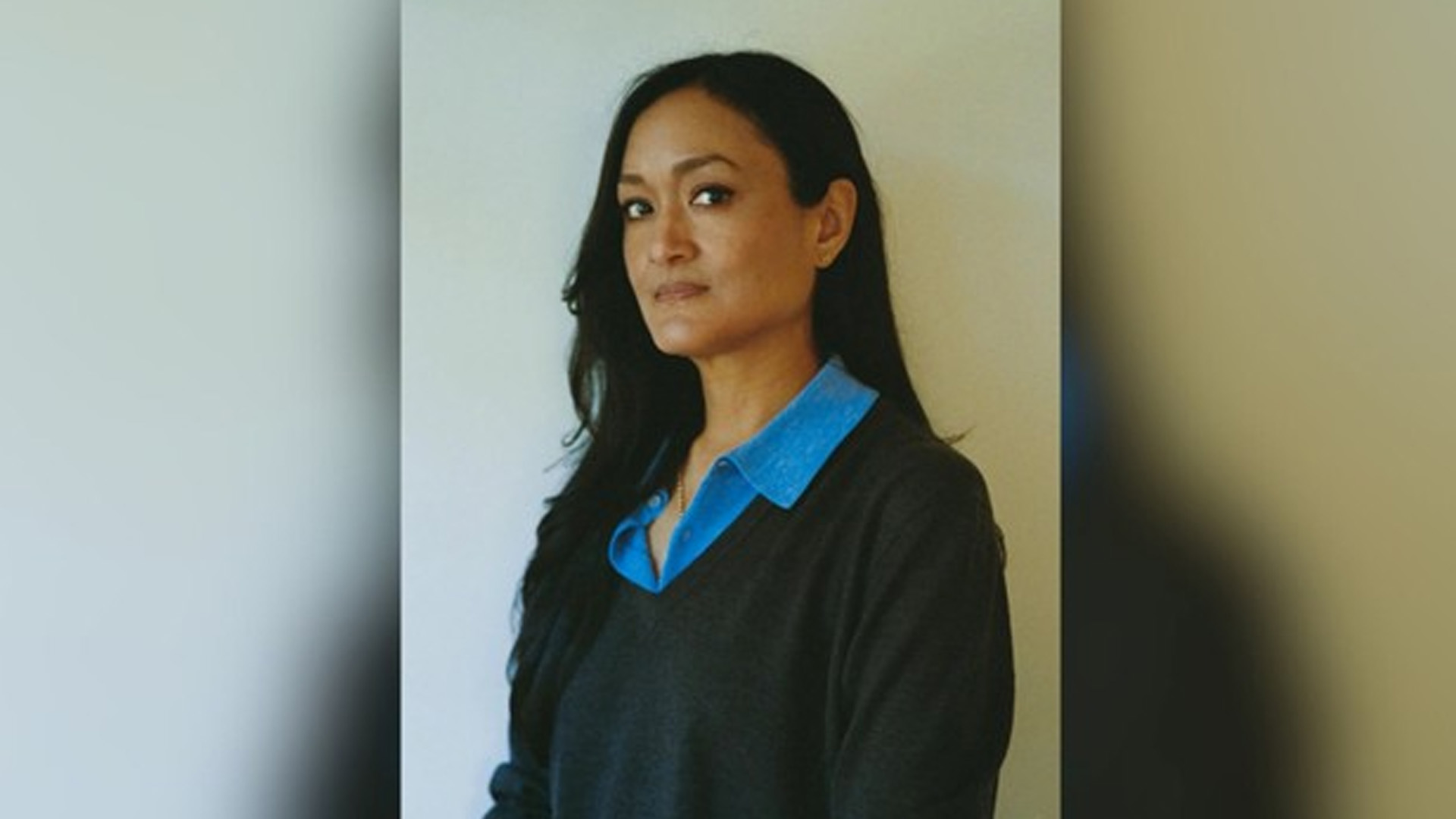







For 98 years, no woman had ever held an Oscar for Best Cinematography. On the night of March 15, 2026, that changed, because of a Filipino-American woman whose grandfather was born in Masantol, Pampanga.
Autumn Durald Arkapaw made history at the 98th Academy Awards, becoming the first woman, first woman of color, and first person of Filipino heritage to win the Oscar for Best Cinematography. All in one night, for one film: Ryan Coogler’s Sinners.
Autumn was raised largely within her mother’s extensive Filipino family. Her mother, Peggy Bautista, was the daughter of Guillermo, a man from Masantol, Pampanga who joined military service during World War II. Her father, of African American Creole descent, was born in New Orleans, a city that would later sit at the very heart of Sinners.
When Coogler handed her the script, it didn’t just read like a story. It felt like her own. Her father’s Creole roots, her great-grandmother’s Mississippi upbringing, the sounds and textures of the American South were all parts of her long before she ever stepped onto set.
She studied art history at Loyola Marymount University before earning her MFA from the AFI Conservatory’s cinematography program in 2009. At AFI, she found an unlikely source of inspiration in fellow Filipino cinematographer Matthew Libatique, whose Oscar-nominated work proved to her that someone who looked like her could reach the highest levels of the craft.
For Sinners, Autumn pushed the boundaries of what was technically possible on a film set. She became the first female cinematographer to shoot on IMAX 65mm and Ultra Panavision, a feat as bold and ambitious as the film itself.
The win came as a surprise to many. She had fallen short at the BAFTAs, the British Society of Cinematographers, and the American Society of Cinematographers in the months leading up to Oscar night. But when her name was called at the Dolby Theatre, nearly a century of exclusion came to an end.
On stage, she turned her moment into a collective one, asking every woman in the room to stand and acknowledging that the award belonged not just to her, but to all who had pushed, supported, and believed before her.
Backstage, she kept the Philippines close in her thoughts. She has long spoken of a dream to one day shoot a film in the Philippines, a story about her grandfather Guillermo, the man from Pampanga whose bloodline runs through one of Hollywood’s most historic nights.
That film is still ahead of her. But on this night, Autumn Durald Arkapaw gave every Filipino and every girl who has ever dreamed of standing behind a camera something to hold onto.