





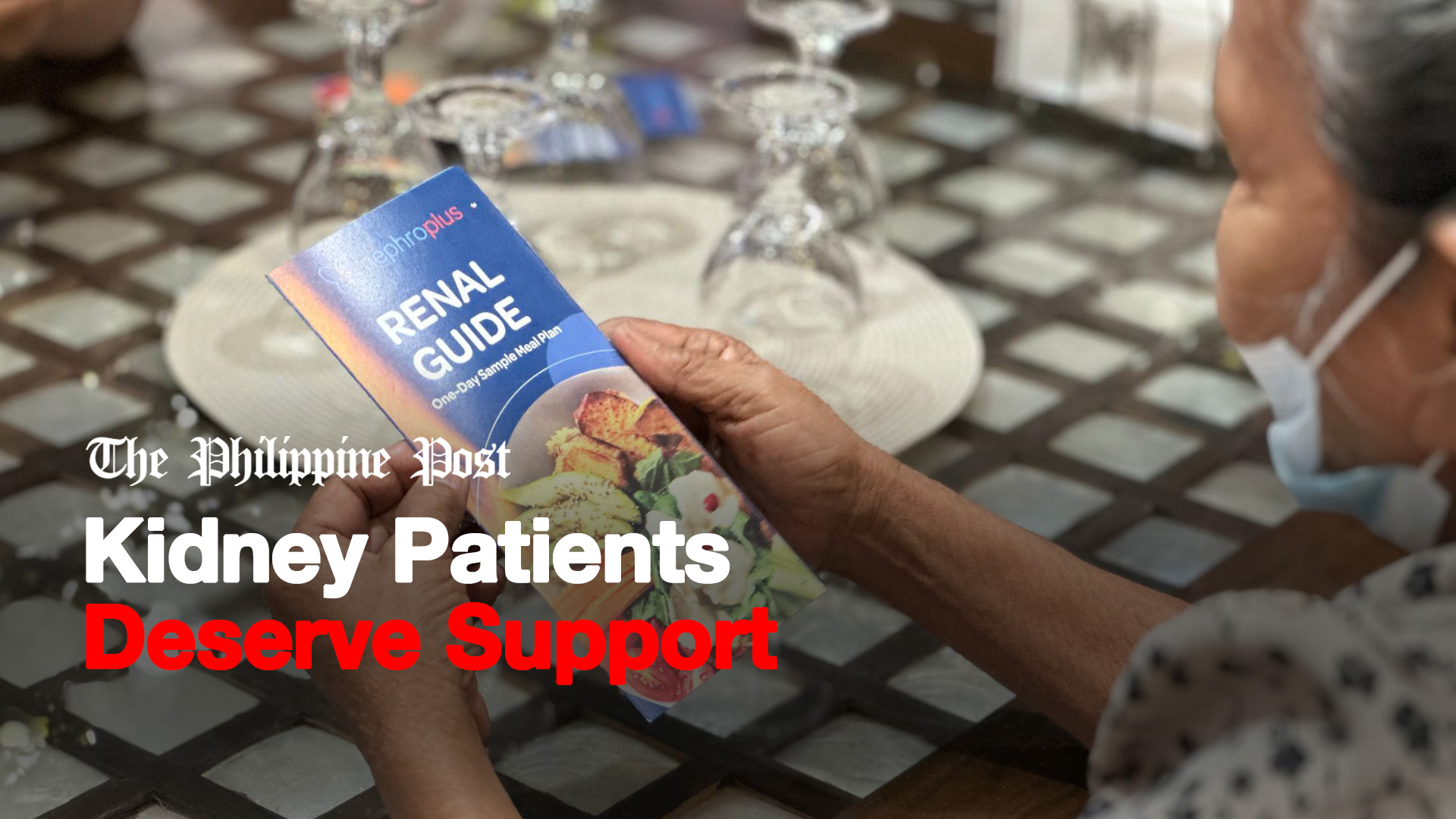







Chronic kidney disease (CKD) is a global public health concern that affects millions of people and places a significant burden on healthcare systems. In the Philippines, CKD remains an important health challenge, highlighting the need for greater awareness, timely diagnosis, and access to appropriate treatment.
CKD often goes undetected in its early stages because noticeable symptoms may be absent. In some people, it progresses to Stage 5 CKD, also known as end-stage renal disease (ESRD), when the kidneys can no longer adequately perform their essential functions. At this stage, treatment decisions become especially important. Patients and families should understand the available options so they can make informed decisions together with their healthcare professionals.
Understanding Treatment Options For ESRD
Treatment for ESRD is not one-size-fits-all. The most appropriate approach depends on the patient’s overall health, medical condition, lifestyle, and preferences. Options may include kidney transplantation, dialysis, and comprehensive conservative care, with palliative support when appropriate.
1. Kidney Transplant
A kidney transplant is often considered the preferred treatment for eligible patients because it can improve quality of life and long-term outcomes. The procedure involves transplanting a healthy kidney from a living or deceased donor into the recipient. However, transplantation may not be immediately available because of limited organ donations, waiting lists, and medical eligibility requirements. Many patients therefore receive dialysis while awaiting a suitable transplant.
2. Dialysis (Peritoneal Dialysis And Hemodialysis)
Dialysis is a life-sustaining treatment that helps perform some of the functions of healthy kidneys by removing waste products and excess fluid from the body. The two main types are peritoneal dialysis and hemodialysis, which differ in how and where treatment is performed.
Peritoneal dialysis (PD) uses the lining of the abdomen (the peritoneum) as a natural filter. A cleansing solution is introduced into the abdominal cavity through a catheter and later drained. PD is generally performed daily, either through manual fluid exchanges or with the assistance of an automated dialysis machine, depending on the prescribed treatment. Hemodialysis (HD), on the other hand, filters blood through a dialysis machine and a specialized filter called a dialyzer. Treatment is typically performed at a dialysis center several times a week under the supervision of trained healthcare professionals.
3. Conservative Care And Palliative Support
For patients who choose not to pursue dialysis or transplantation, comprehensive conservative kidney management focuses on controlling symptoms, maintaining comfort, and supporting quality of life. Palliative care addresses physical, emotional, and other needs and may also be provided alongside dialysis or other treatments. Patients and families should discuss these approaches with their healthcare team to understand which care plan best reflects their goals and circumstances.
Supporting Patients Throughout Their Hemodialysis Journey
According to local data, approximately 94% of Filipino ESRD patients receive center-based hemodialysis, making it the most commonly utilized treatment option in the country. Beyond receiving treatment, patients often look for a dialysis provider that offers consistent quality of care, convenience, and a supportive healthcare team they can rely on throughout their journey.
NephroPlus Philippines, part of Asia’s largest dialysis network, is committed to making high-quality dialysis care more accessible to Filipinos through its growing nationwide network of dialysis centers. The company continues to expand its presence, particularly in underserved communities, helping reduce travel burdens and making it easier for guests to receive the regular dialysis sessions they need.
This commitment extends beyond its growing footprint. NephroPlus Philippines emphasizes operational excellence through standardized clinical practices designed to deliver safe, high-quality dialysis care across its network. The company also invests in workforce development by continuously training and supporting its healthcare professionals in line with applicable Philippine standards and established clinical practices.
NephroPlus Philippines also supports guests in building healthier habits between dialysis sessions through the NephroPlus Guest App. The app encourages disciplined fluid intake management by helping guests track their fluid intake and rewarding engagement with wellness tokens. Guests can redeem these tokens for vouchers from participating brands, making everyday self-management more engaging and rewarding. The app complements, rather than replaces, guidance from the guest’s healthcare team.
Making The Right Decision Together
Choosing a treatment approach for ESRD is a deeply personal decision that should be made in consultation with qualified healthcare professionals. Whether the approach involves kidney transplantation, dialysis, or comprehensive conservative care, understanding the available options empowers patients and families to participate meaningfully in decisions about their health.
While every patient’s treatment journey is unique, timely medical intervention, access to quality dialysis care, and a strong support system can make a meaningful difference in quality of life. NephroPlus Philippines believes dialysis care goes beyond treatment sessions. Through its growing network of centers, trained healthcare professionals, and guest-focused initiatives, it remains committed to making quality dialysis care more accessible, comfortable, and convenient for Filipinos who depend on it.