




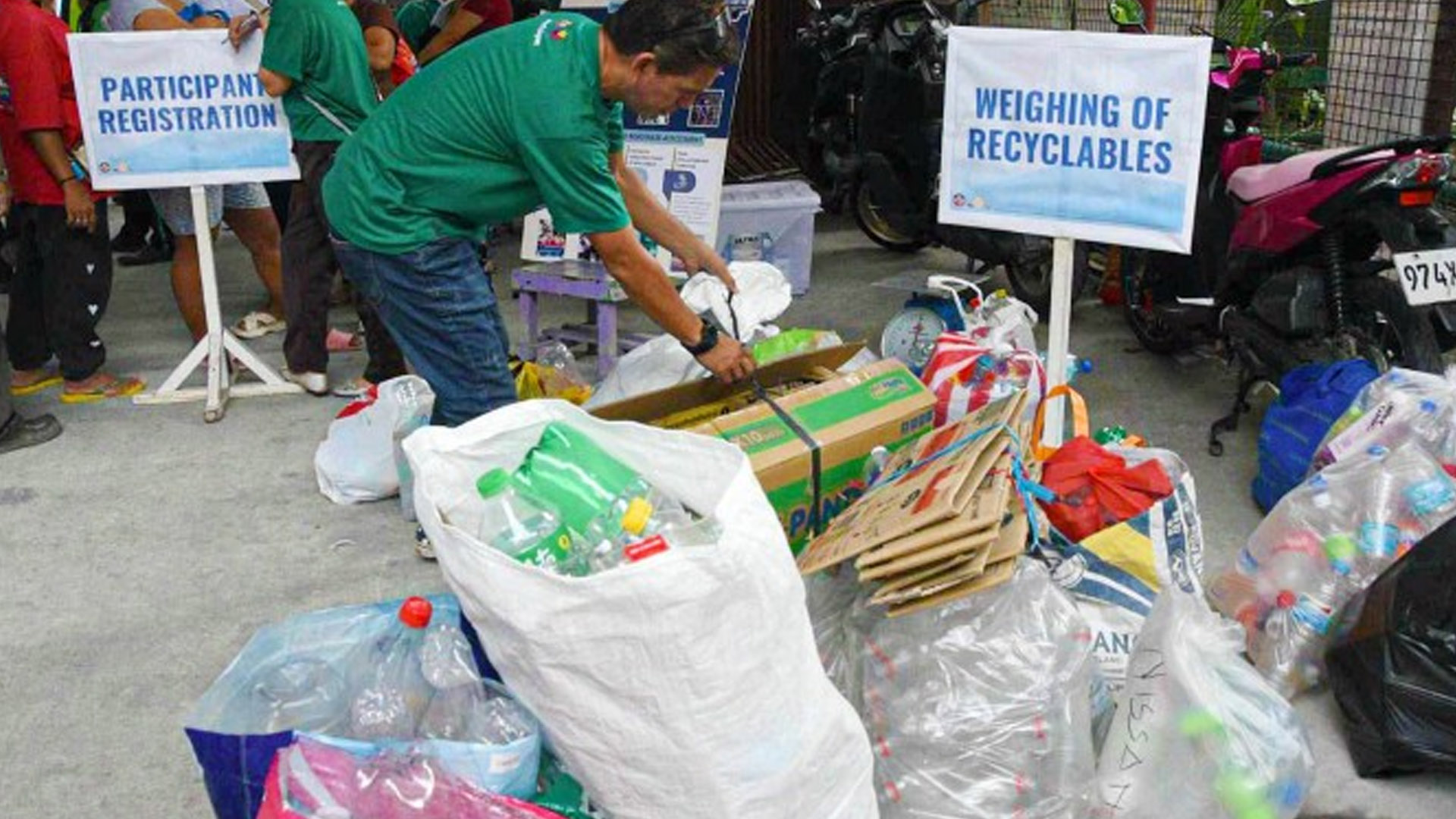







The Department of Environment and Natural Resources (DENR) on Monday supported proposed measures aimed at shifting the country’s waste management system from simple disposal toward recycling, resource recovery and climate resilience.
During a hearing led by Senate Committee on Environment, Natural Resources and Climate Change chairperson Sen. Raffy Tulfo, DENR Secretary Juan Miguel Cuna said the bills would strengthen enforcement, address electronic and plastic waste and promote greater participation from local governments, industries and communities.
“We also look forward to collaborating and transforming our waste management system from a model of simple disposal to one of strict compliance, circular resource recovery, and climate resilience,” Cuna said.
Tulfo said the hearing would examine the full cycle of the country’s garbage problem – from reducing waste generation and improving waste management to addressing landfill safety and accountability.
He noted that garbage contributes to disease, flooding, environmental degradation and disasters in communities.
“Hindi po ito simpleng problema (This is not a simple problem),” Tulfo said, as he outlined proposed measures on computer recycling, single-use plastics, waste importation and amendments to the Ecological Solid Waste Management Act.
Cuna expressed support for Senate Bill No. 1167, which would establish local cleanup teams and increase fines for violations of Republic Act 9003.
He said local government units are at the front lines of waste management and that higher penalties would provide a stronger deterrent against environmental violations.
The DENR also backed the proposed National Computer Recycling Act and the regulation of single-use plastics, which Cuna said would help the country respond to the rising volume of electronic waste and curb plastic pollution at its source.
Cuna said the Philippines is projected to generate about 23.6 million metric tons of solid waste annually, or around 61,000 metric tons daily.
Metro Manila alone generates some 10,000 metric tons of garbage each day, accounting for roughly one-fourth of the country’s municipal solid waste. Only about 52 percent of waste nationwide is collected, while the rest may be improperly dumped or burned.
The country currently has 397 operational sanitary landfills serving 805 local government units, including facilities shared by clusters of cities and municipalities, Cuna said.
On proposals to ban foreign waste, Cuna said the DENR supports measures preventing the country from becoming a destination for garbage from abroad.
“The Philippines is not and will never be a dumping ground for the world’s refuse,” he said.
Cuna, however, said lawmakers should consider legitimate imports of recyclable and secondary materials used by local industries employing about 63,000 workers directly and indirectly. (PNA)